Cessna Nose Gear Strut Assembly: Replacement Nose Landing Gear Component
Cessna Nose Gear Strut Assembly: Replacement Nose Landing Gear Component
Blog Article
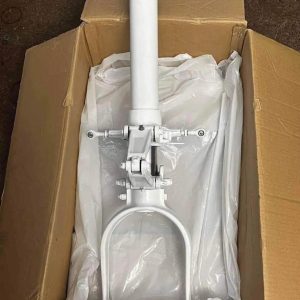
The Cessna Nose Gear Strut Assembly is an important landing-gear component designed to support the forward section of a compatible aircraft during taxiing, takeoff, landing, parking, towing, and routine ground operations.
A Cessna Nose Landing Gear Strut may form part of a broader Cessna Nose Gear Assembly, while the phrase Cessna Landing Gear Strut can describe different positions or configurations depending on the aircraft model.
The Aircraft Nose Gear Strut must maintain suitable alignment, movement, sealing, structural integrity, and connection with surrounding components.
A Cessna Nose Wheel Strut must maintain appropriate geometry and movement for predictable ground handling.
A Cessna Replacement Nose Gear should correspond with the receiving aircraft’s approved configuration rather than being selected through appearance alone.
Key Details of an Aircraft Nose Strut
Complete identification gives technicians the information needed to evaluate suitability.
Transparent package details improve the commercial value of the Cessna Nose Gear Strut Assembly.
Evaluating Landing Gear Structural Responsibilities
The nose gear supports a portion of the aircraft’s ground weight and transfers loads into designated airframe attachment points.
Professional structural review protects the aircraft and the Replacement Nose Gear installation.
Understanding the Cessna Shock Strut Assembly
A strut that appears fully extended may still click here contain internal wear, incorrect pressure, or unsuitable fluid quantity.
Servicing values should come from applicable maintenance information rather than estimates based on another Cessna model.
Maintaining Predictable Taxi Control
Each component should move smoothly and remain free from excessive play, binding, distortion, corrosion, and unsuitable modification.
The buyer should inspect torque links, attachment bolts, bushings, bearings, and pivot points for looseness or wear.
Matching the Strut to a Specific Cessna Aircraft
The buyer should compare the offered unit with current illustrated-parts, maintenance, and installation information.
The donor aircraft may provide useful history but does not independently establish eligibility for another aircraft.
Cylinder, Piston, and Sliding-Surface Inspection
Sliding and sealing surfaces must remain within acceptable condition because defects can damage seals and contribute to leakage or sticking.
Internal wear can result from contamination, damaged seals, misalignment, corrosion, or prolonged operation with incorrect servicing.
Inspecting the Nose Gear Strut for Leaks
A small film of fluid and an active leak should be distinguished using applicable maintenance guidance.
Incorrect seal material, damaged installation tools, contaminated fluid, or improper assembly can lead to early failure.
Protecting Cessna Landing Gear Components
Corrosion may develop on external surfaces, inside bores, around fasteners, beneath paint, near mounting points, or within neglected fluid areas.
Fastener holes, fork transitions, cylinder ends, and welded or machined areas deserve close attention.
Crack, Bend, and Impact-Damage Inspection
The assembly should be inspected for cracks, bending, twisting, damaged welds, distorted mounting features, and impact marks.
The seller should disclose the donor aircraft’s removal reason and known incident history.
Inspecting the Cessna Nose Wheel Strut
Clear package information helps buyers estimate the complete repair cost.
Wheel bearings, seals, spacers, and retaining hardware should be evaluated separately rather than assumed serviceable because they are attached to the assembly.
Inspecting Landing Gear Articulation Components
Tightening hardware alone may not correct worn bushings or elongated holes.
Recurring shimmy should prompt inspection of the entire nose gear, wheel, tire, steering, balance, and attachment system.
Understanding Ground Vibration Causes
Nose-wheel shimmy can result from worn bushings, loose torque links, tire imbalance, wheel-bearing play, incorrect tire pressure, steering looseness, alignment issues, or structural wear.
Uneven tire wear can indicate alignment concerns, fork distortion, bearing issues, incorrect pressure, steering problems, or repeated side loading.
Fluid and Pressure Maintenance
Values from another Cessna model should not be applied without verification.
Pressurized components require suitable precautions because uncontrolled release can cause injury or damage.
Evaluating Internal and External Components
The exact scope should be defined in the work records rather than assumed from the word overhauled.
Unauthorized welding, straightening, plating, machining, or hole enlargement can affect future eligibility.
Cessna Front Gear Condition Review
A pre-purchase review should confirm the exact part number, configuration, aircraft applicability, serial markings, dimensions, included components, removal reason, condition, repair history, and documentation.
- Compare the assembly with the receiving aircraft’s illustrated parts information, mounting points, steering system, wheel fork, axle, tire, torque links, and approved hardware.
- Review the history for hard landings, runway excursions, towing incidents, shimmy, tire failure, overload, storage exposure, freight damage, and structural repair.
- Inspect and photograph the assembly immediately after delivery before cleaning, servicing, disassembling, repairing, painting, or installing it.
Safe Freight Handling Procedures
The assembly should be secured in a rigid crate or suitable container that supports its weight without loading the piston, fork, fittings, steering components, or delicate surfaces.
Pre-shipment photographs can document condition, included parts, and packaging before collection.
Preventing Corrosion and Seal Damage
Openings should remain protected from contamination.
A stored assembly should not be installed solely because it was previously considered serviceable.
Installing the Cessna Front Landing Gear Assembly
Incorrect bolts, improvised spacers, damaged threads, or forced alignment should not be accepted.
Hoses, wiring, fairings, controls, and nearby components should maintain suitable clearance through the steering and compression ranges.
Any abnormal indication should receive prompt evaluation before further operation.
Protecting Long-Term Ground Handling Reliability
Lubrication and servicing should follow the applicable maintenance schedule.
Maintenance records should identify findings, measurements, servicing, parts replaced, repairs, dates, and personnel involved.
Buying a Replacement Landing Gear Strut
A recent professional inspection or overhaul can add value when the scope, findings, measurements, and replaced parts are documented accurately.
Total project cost may include the purchase price, freight, inspection, seals, bushings, bearings, hardware, wheel or tire components, overhaul labor, servicing, alignment, installation, and documentation.
Selecting General Aviation Landing Gear Parts
The Cessna Nose Gear Strut Assembly may suit private aircraft owners, flight schools, maintenance organizations, restorers, aviation dealers, and general aviation operators seeking an identifiable landing-gear component.
The strongest purchasing decision begins with confirming the exact Cessna part number, dash number, aircraft model, serial-range applicability, strut configuration, dimensions, mounting points, steering system, fork, axle, bushings, seals, corrosion status, repair history, and documentation.
Whether the assembly is purchased for maintenance, overhaul, restoration, spare inventory, resale, or an aircraft project, transparent information and qualified oversight provide the strongest foundation.
With transparent records, protected shipping, correct steering and mounting compatibility, careful alignment, and appropriate maintenance, the Cessna nose gear can support a professional repair project.
Report this page